
Is There Egyptian Wool? What Egypt Really Produces
Share
Search for Egyptian wool and you will find very little, and there is a good reason. Egypt has sheep and a small wool industry, but the fibre the country is famous for is cotton. If you came here looking for a soft, natural yarn from Egypt, this guide explains what Egyptian wool is, why cotton took centre stage, and how to choose between the two for your next project.
Quick answer: Egypt does produce some wool, mostly coarse fibre from local sheep breeds used for carpets and rugs. It is not a recognised knitting yarn in the way Merino or Shetland are. Egypt's world-famous fibre is cotton, especially long-staple Egyptian cotton, which makes a smooth, strong yarn for knitting and crochet.
Does Egypt Produce Wool?
Yes, on a small scale. Sheep have been kept in Egypt since ancient times, and local breeds are raised mainly for meat. Their wool tends to be coarse, which suits carpets and hand-woven rugs better than garments worn next to the skin. You will find it in traditional rugs rather than in yarn shops.
What Did Ancient Egyptians Wear?
Mostly linen, spun from flax grown along the Nile. Linen suited the hot climate, and wool was never the everyday fabric of ancient Egypt. Greek writers even recorded that wool was not worn into temples. Cotton came much later: Egypt's modern cotton industry grew from the 1820s, when long-staple varieties were developed in the Nile Delta.
Why Egypt Means Cotton
The Nile Delta's climate, soil and water suit long-staple cotton very well. Longer fibres spin into a smoother, stronger yarn with less fuzz and a natural sheen. That is why Egyptian cotton became a byword for quality in sheets, towels and fine yarn. Read more in our guide to what makes Egyptian cotton yarn different.
Egyptian Cotton vs Wool for Knitting and Crochet
| Egyptian cotton | Wool | |
|---|---|---|
| Feel | Smooth, cool, soft sheen | Warm, springy, can be itchy |
| Stretch | Very little | Stretchy and elastic |
| Warmth | Cool and breathable | Warm, even when damp |
| Stitch definition | Crisp and clear | Softer, slightly hazy |
| Washing | Easy to wash, softens over time | Can felt or shrink |
| Best for | Summer tops, baby wear, bags, homeware | Sweaters, socks, winter accessories |
Swapping Wool for Cotton in a Pattern
Match the gauge, not the name. Swatch in your cotton and adjust your needle or hook until it matches the pattern.
Watch the ribbing. Cotton does not spring back, so ribbed cuffs and hems stay looser. Use a smaller needle for them.
Think about weight. Cotton is denser than wool, so a large garment will feel heavier. A lighter yarn often gives a better result.
Avoid very tight stitches. Cotton has little give, so a slightly larger hook keeps your fabric soft.
Our Egyptian Cotton Yarns
If you came looking for a natural yarn from Egypt, these are ours, all 100% Egyptian cotton, DNA tested and mercerized:
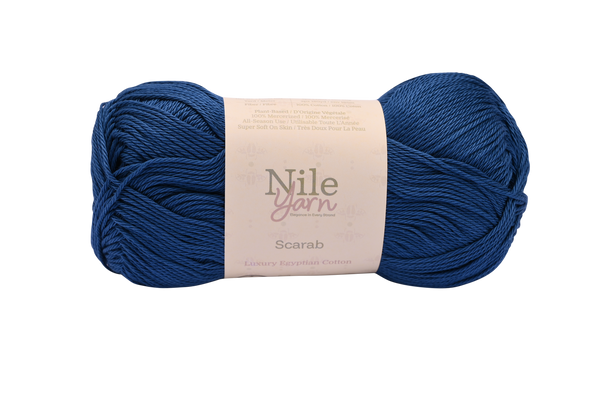
- Scarab: Super Fine, for lace, baby wear and fine summer tops.
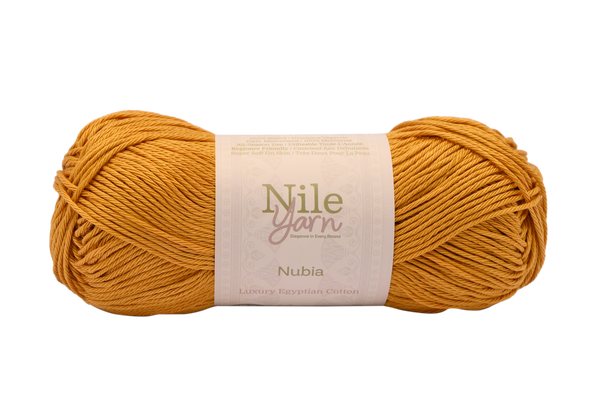
- Nubia: Fine, for baby garments, tops and shawls.
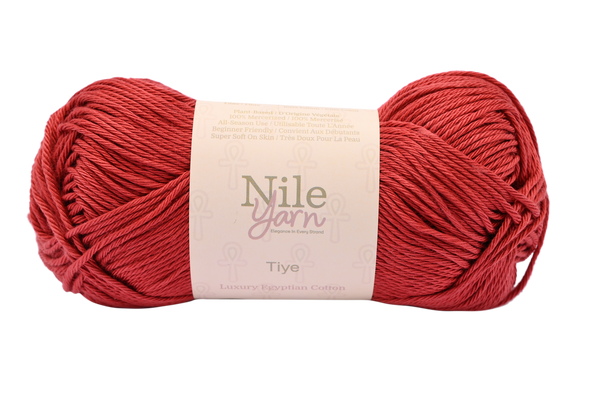
- Tiye: DK Light, for garments, cardigans and blankets.
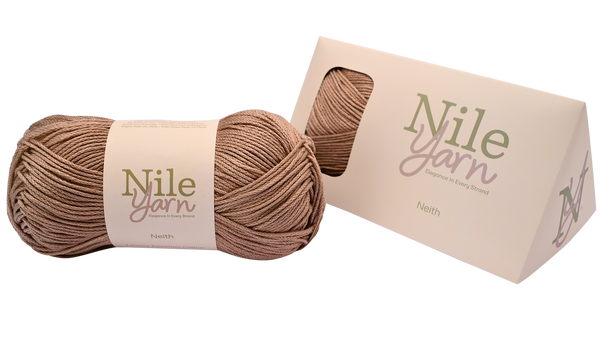
- Neith: our signature DK yarn, for bags, amigurumi and home décor.
Compare them side by side in our yarn guide.
Egyptian Wool FAQ
Is there such a thing as Egyptian wool?
Yes, but it is a small industry and the wool is mostly coarse, so it is used for carpets and rugs rather than knitting yarn.
Is Egyptian cotton warmer than wool?
No. Wool is warmer. Cotton is cool and breathable, which makes it better for warm weather and for anyone who finds wool itchy.
Can I use cotton yarn in a wool pattern?
Yes, if your swatch matches the pattern gauge. Allow for less stretch, especially in ribbing.