
How to Choose an Egyptian Cotton Yarn Supplier
Share
Egyptian cotton is one of the most recognised names in textiles, and that is exactly why choosing a supplier needs care. For a yarn shop, an online retailer or a distributor, the right supplier gives your customers a yarn they can trust. The wrong one gives you returns, unhappy makers and a label you cannot stand behind.
Quick answer: check five things: proof of origin, fibre quality and finishing, colour consistency between dye lots, a range that fits your customers, and reliable shipping and paperwork.
1. Proof of Origin
"Egyptian cotton" on a label is not proof. Studies of the textile market have repeatedly found products labelled Egyptian cotton that contain little or none. Ask how the supplier knows its cotton is Egyptian. DNA testing of the fibre is the strongest answer, because it checks the cotton itself rather than the paperwork.
2. Fibre Quality and Finishing
Ask about staple length and finishing. Extra-long staple cotton makes a smoother, stronger yarn that pills less. Mercerization adds strength, lustre and colour depth. Together they decide how the yarn feels on the shelf and how finished projects look after a year of washing, which is what your customers will remember.
3. Colour Consistency
For a shop, consistent colour matters as much as the colour itself. A customer who buys more skeins for the same project expects them to match. Ask how the supplier controls colour between dye lots, and whether colours are matched to a recognised reference such as Pantone. Check that dye lots are clearly marked on every skein.
4. A Range That Fits Your Customers
One weight rarely covers a whole shop. Look for a supplier that offers several weights in the same colours, so customers can work across projects. Undyed bases are a bonus if you serve hand-dyers or run your own colourways.
5. Shipping, Duty and Paperwork
Ask where the yarn ships from, how shipping is quoted and what documents come with each order. Origin also affects duty: Egyptian-origin cotton yarn enters the EU at 0% import duty, which makes a real difference to your landed cost.
6. Communication and Support
A good supplier answers questions clearly, helps with product information for your shelves and website, and tells you early if anything changes. Pay attention to how quickly and clearly they reply to your first enquiry.
A Checklist for Your First Conversation
- How do you verify that the cotton is Egyptian?
- Is the yarn 100% cotton, and is it mercerized?
- Which weights and colours do you offer, and are colours matched to a reference?
- How are dye lots managed and labelled?
- Do you offer undyed bases?
- Where do you ship from, and how is shipping quoted?
About Nile Yarn
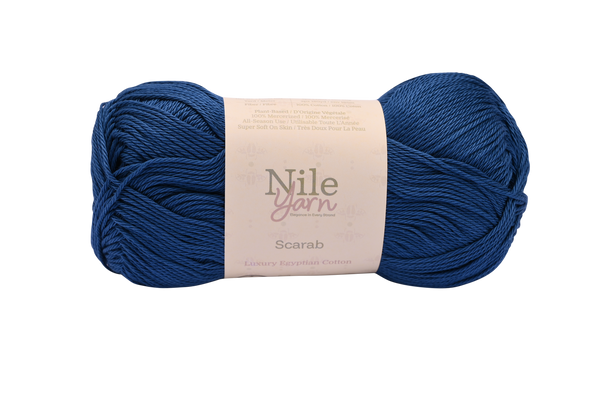
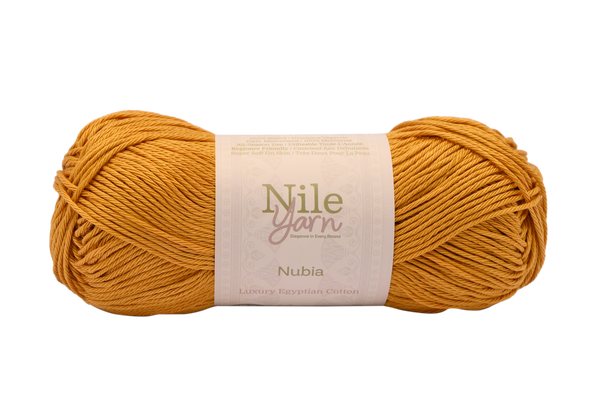
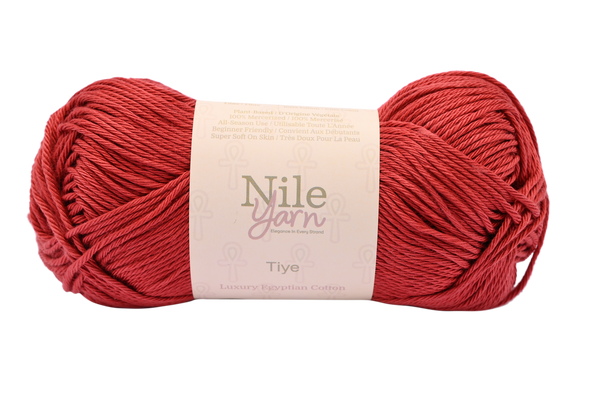
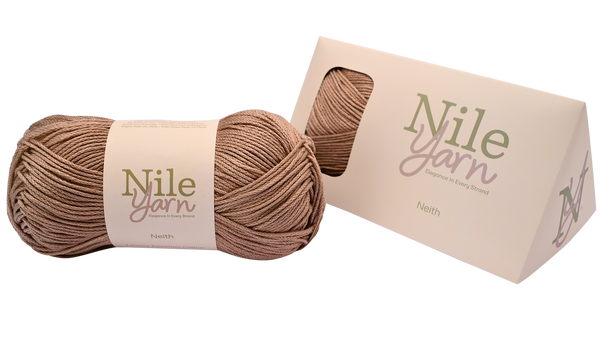
Nile Yarn makes 100% Egyptian cotton yarn in Egypt for yarn shops, online retailers, distributors, designers and hand-dyers. Scarab, Nubia, Tiye and Neith are DNA tested and mercerized, in the same range of colours across all four weights, plus undyed bases. We also make private label yarn under your own brand. Read more on our wholesale page or see the full range on our colour card.
Red Flags to Watch For
- Vague origin claims: "Egyptian-style" or "Egyptian quality" is not the same as Egyptian cotton.
- Prices far below the market: genuine long-staple Egyptian cotton costs more to grow and spin. A very low price is worth questioning.
- No clear fibre content: if the label does not say 100% cotton, ask what else is in it.
- Inconsistent product details: weights, lengths or colour names that change between documents suggest weak quality control.
- Slow or unclear answers: if your first questions are hard to answer, later problems will be harder.
Matching the Yarn to Your Customers
Think about who buys from you. Garment knitters and crocheters want fine and DK weights with good drape. Amigurumi and homeware makers want a firm DK that holds its shape. Hand-dyers want reliable undyed bases. Gift and premium shoppers respond to packaging and story. The right supplier lets you cover the groups that matter most to you without carrying yarns that will not sell.
Building Your Range
A focused cotton range is easier to merchandise than a scattered one. Start with your best-selling weight in a core set of colours, then add a second weight in the same colours so customers can mix projects. Colours matched to a recognised reference, such as Pantone, make it easier to plan displays, seasonal edits and colour stories around trends like the Pantone Colour of the Year.
Supplier FAQ
How can I tell if yarn is really Egyptian cotton?
Ask the supplier how origin is verified. DNA testing of the fibre is the most reliable method.
Is Egyptian cotton yarn duty free in the EU?
Egyptian-origin cotton yarn enters the EU at 0% import duty under the EU–Egypt trade agreement, with the right origin documents.
What weights should a yarn shop stock?
Most shops do well with a fine yarn for garments and lace, a DK for everyday projects, and undyed bases if they serve dyers.